Can a Simple Skill Training Change a Life?

Sometimes, a small opportunity to learn a skill can quietly change the direction of a life.

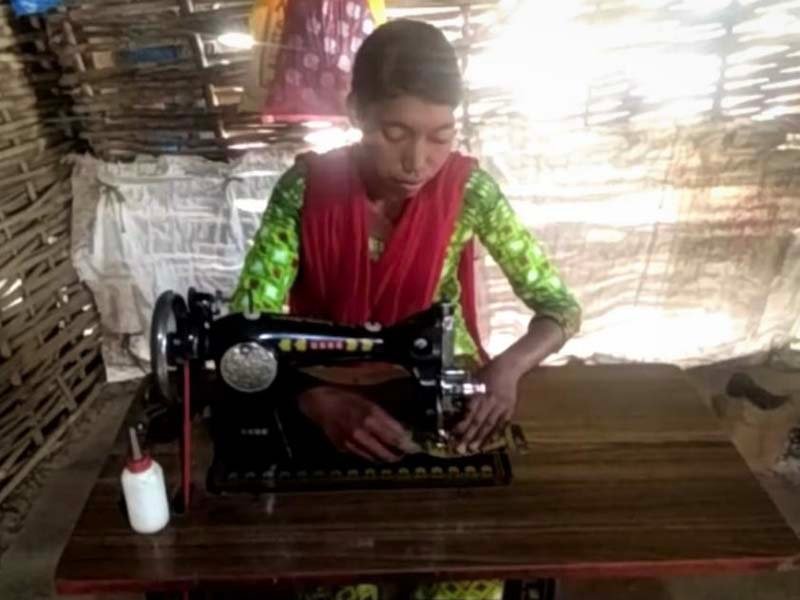
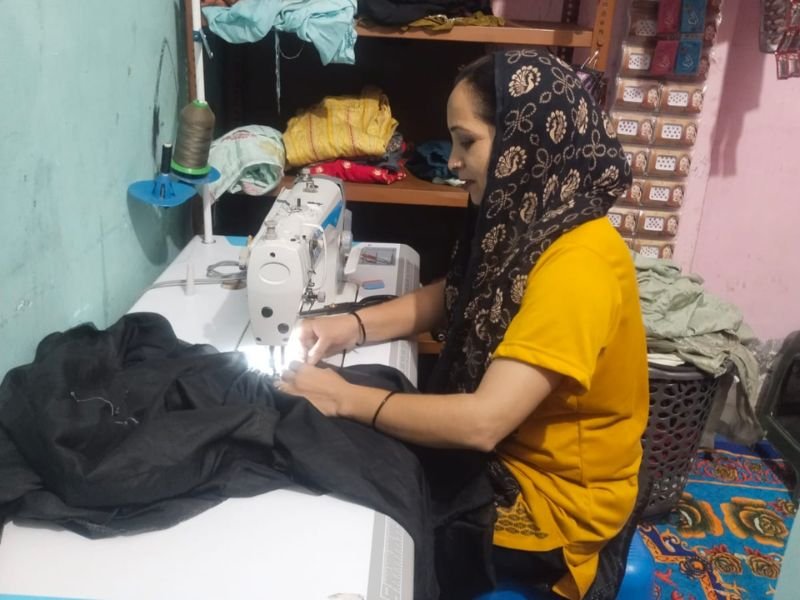
Kavita, from Gonder village in Haryana, always wanted to run a tailoring shop. But with two children to support and a household dependent on her income, her dream felt distant.

She worked as an agricultural labourer, earning around ₹6,000–7,000 a month. Even a ₹3,000 tailoring course was difficult to afford, so she kept waiting for a chance to learn.

That chance came through Project Prashanti Tailoring Centre, when an OSF volunteer introduced her to a local training centre led by Lakshmi. The centre was created to help women gain practical skills at an affordable cost.

Kavita joined Batch 2 at Prashanti Designs, Tailoring and Stitching Centre, where she learned stitching and embroidery.

The training became a turning point. She speaks warmly about the centre head and teacher, who guided the students with patience and care. The OSF volunteer regularly motivated the group, and local leaders were invited to encourage the women and help them see new possibilities.

Kavita attended classes after work, practised daily, and completed her training with strong results.

After the course, she worked at a nearby tailoring shop to gain experience while continuing agricultural work. This helped her build confidence and practical skills.

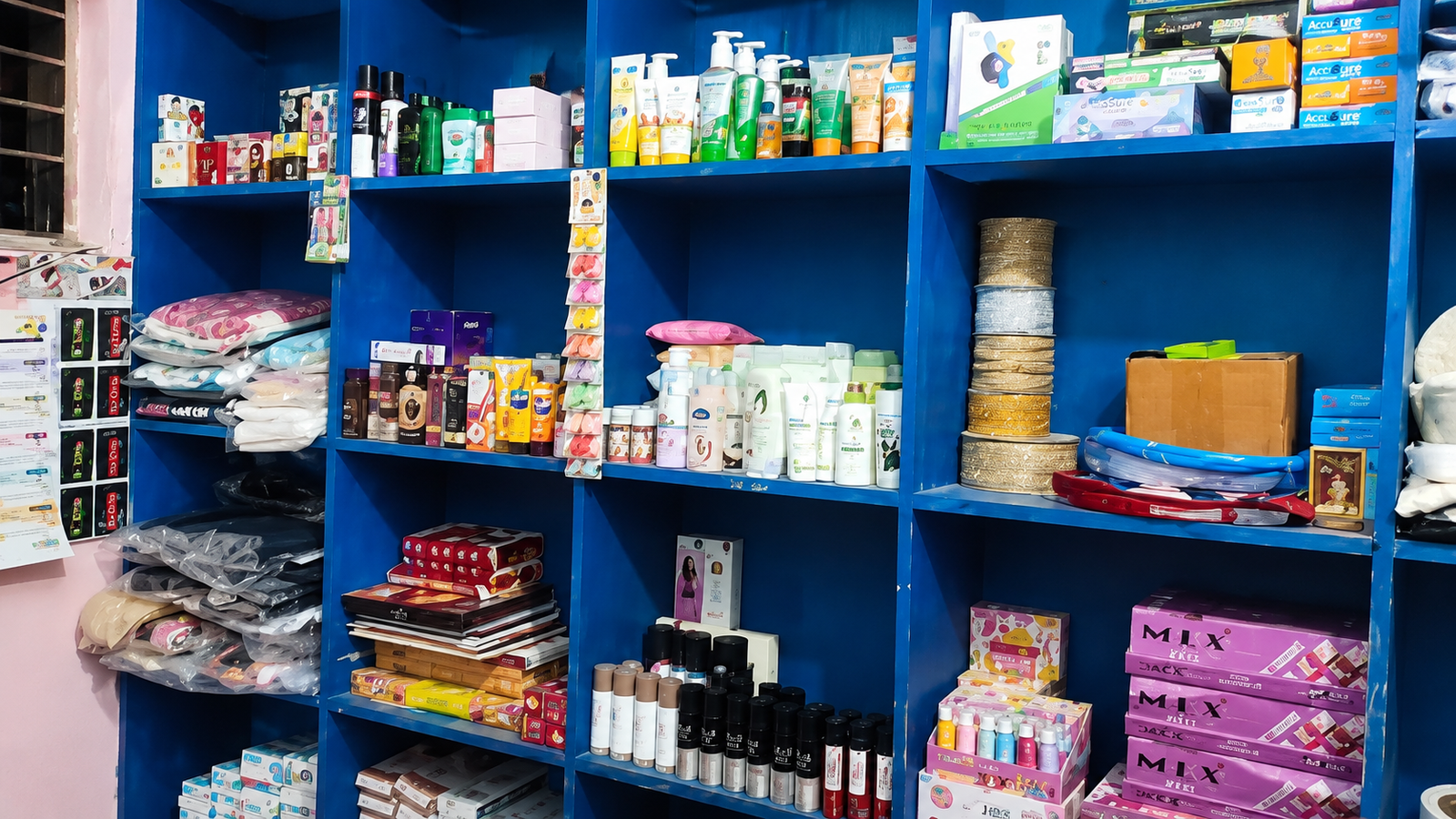
After a year, in June 2026, she opened her own tailoring and embroidery shop. She rented a small space, bought a sewing machine, and started her business.

Her first month’s income was ₹11,000, almost double what she earned earlier.

Today, her shop also sells boutique items and women’s essentials, becoming a useful place in her village.

Kavita’s journey shows how training, guidance, and encouragement can open new paths. With one skill and steady support, she moved from daily wage work to self-employment.

OSF is proud to support journeys like hers, where opportunity becomes lasting change.
Kavitha shop
Read more

When Rs.6,200 Has to Carry a Family

What can a family do with ₹6,200 a month? For some families in North Chennai, that is not a theoretical question. For the women we met, Rs. 6,200 has to cover food, school fees, medicines, rent and whatever else the month brings!

And when something unexpected happens? Borrow. Get into a debt spiral.

Where and how do you begin the transformation? You begin small—and together.

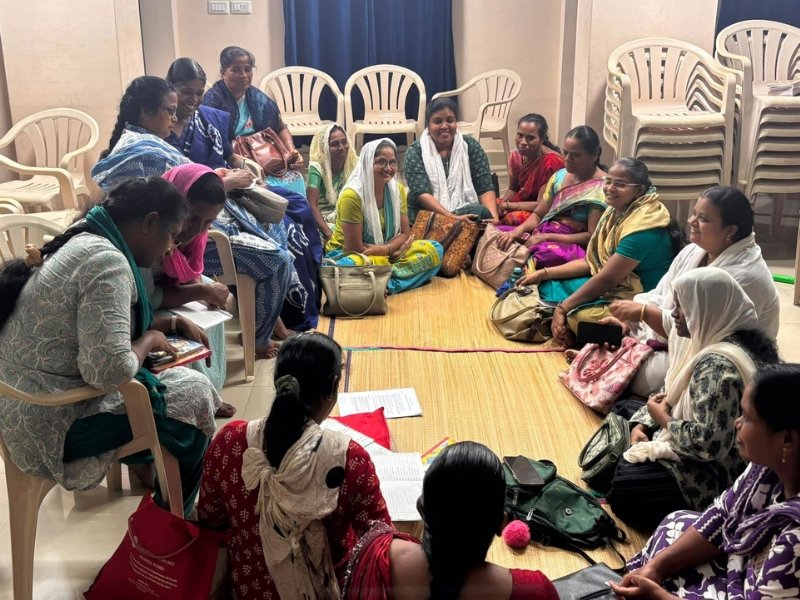
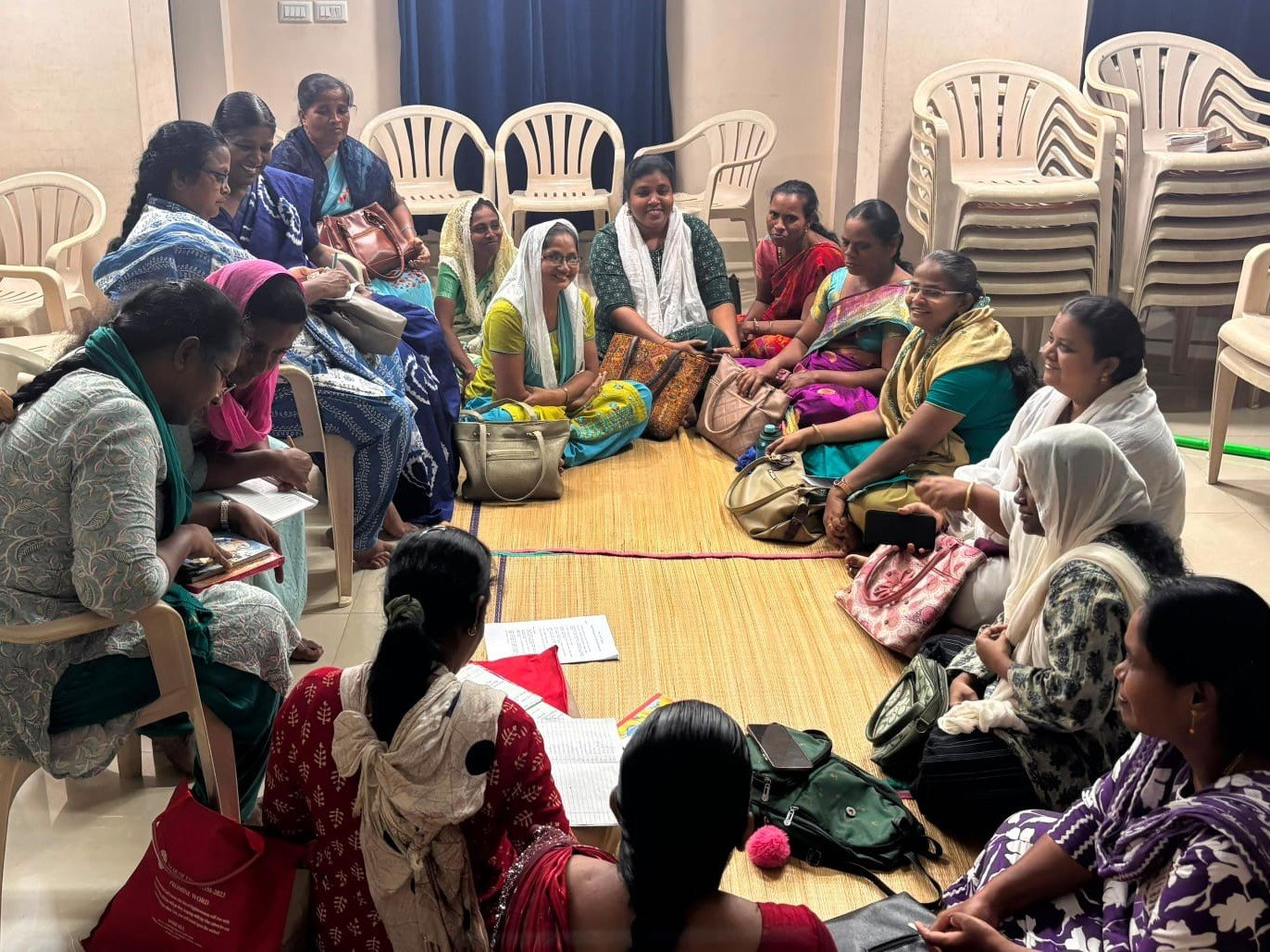
So, OSF, with a women’s empowerment expert, conducted two levels of training on 28 May and 5 August 2026. 32 women completed Level 1, learning household budgeting, regular saving, confidence-building and the basics of Self-Help Groups. 18 women wanted to carry on and moved to Level 2, learning how to actually run a group.

Their lived reality tells the story:

  • 52% carried the main responsibility for their households, with incomes coming largely from low-paid informal work such as housekeeping, sweeping and street vending.
  • 25% were caring for a bedridden spouse or disabled dependent.
  • 68% were supporting children or young people in school or college. Medical emergencies and education costs often pushed families into high-interest debt.

As part of the SHG, the women will scale up and learn to maintain savings ledgers and passbooks, record attendance, issue receipts and document loans. The groups will also provide a platform for developing practical livelihood skills, health, hygiene and more.

But the real test comes after the training. Would the groups continue on their own? They did.

The women have now formed their own Self-Help Groups and agreed to meet every week. They save together, maintain their own records and are building a common emergency fund. This gives the members a way to meet urgent medical or educational expenses without immediately turning to moneylenders.

It is a small beginning. A weekly meeting. A little money saved. Regularly.
Women learning to manage it themselves.

But something important is changing. Women who once faced financial shocks alone are beginning to face them together. And that may be the first step from simply surviving each month to building a more secure future.

Read more

Balancing Weighing Imbalance

In Narayanpatna block of Odisha, farmers from Tentulipadar and Bijaghati Mandal (Gram Panchayats) villages used to sell their farm products in the Narayanpatna market. Each farmer visits the weekly market with his produce four times a month on an average.

During each visit, they carry 30 to 50 kg of harvested products. Weighing is done at the market. They suspected a tampered weighing machine was being used by the middlemen. This continued for many years. As most of the farmers are illiterate, they couldn’t verify or resolve this.

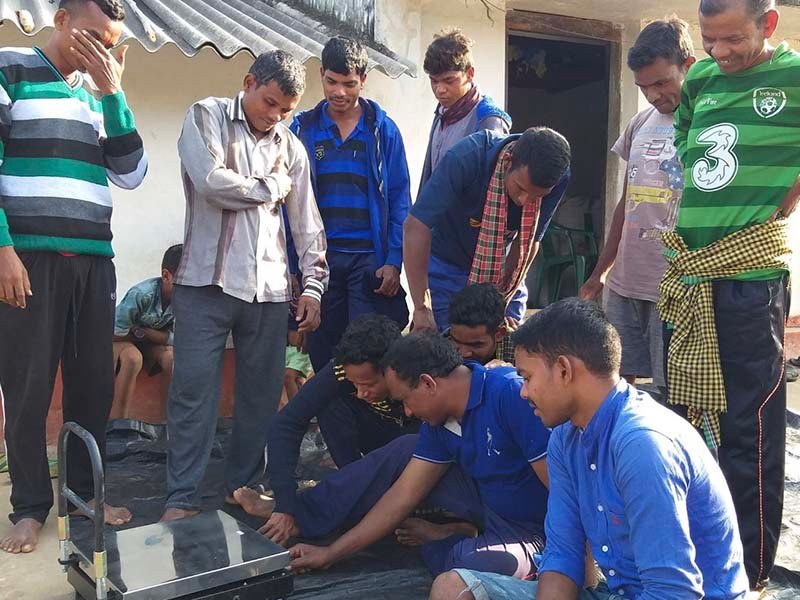
OSF, while working on the School Kit project to encourage attendance in schools in the region, learned about this issue and planned a simple intervention. 2 weighing scales of 100 kg capacity were presented to the farmers group. Village youth are assigned the responsibility to weigh the farm products for every farmer. The weight is recorded on a slip and the farmer presents it at the Mandi. The middlemen are now forced to go by the actual weight.

The benefit reaches about 450 families. Mr. Gopi Bingadika, a farmer in the region, says — “In a month, I get an additional Rs. 50–100, which is a big thing for my family.” This works out to approximately Rs. 27,000 worth of savings to the community in a month.

Read more

Just in Time

In one of OSF’s intervention villages at Koraput in Odisha, a family was preparing for marriage of their son.

The boy was aged below 18 years and illiterate. His to-be life partner was from an adjoining village; her age was around 16 years and she was illiterate as well. Almost 70% arrangements were completed for the marriage.

But the decision taken by the village leaders who attended a gender program organized by OSF played a major role in thwarting this child marriage. They conveyed that it was unlawful to proceed with the wedding. The boy and his family understood and the marriage was indefinitely postponed. It was decided that the wedding could be solemnized after they reach the marriageable age. The decision was communicated to the bride’s house and the program was cancelled on mutual understanding.

When we involve in community work, such avoidable social issues come to our attention. The tribal communities face a lot of problems, like poor health conditions, dropouts from school and low socio-economic status due to child marriages. Many don’t aspire to get to higher studies and they are unable to intellectually contribute to the community development.

OSF started this intervention in March 2021 with a workshop for the village leaders to discuss the issue of early marriage. This was the first program for the area and for the communities. In the workshop there was a free and fair exchange on the topic and we conveyed the government guidelines for marriage age and the negative social impact for their communities. The leaders sensed the gravity of the issue and promised to align to the age guidelines.

Further, the participant leaders conducted meetings on this topic in their respective villages. They advised the families to follow Govt directions and not to encourage marriage proposals involving under-aged children.

Read more

Eliminating Learning Poverty

Madapatna Grama, near Begur, is located 40 km South of Mysore. It is a quiet village dependant on farm income. As in other places, farm dependence exposes the farmer families to climatic vagaries. Crops fail at times, hopes get dashed! The families and children’s studies are affected.

For a child in rural settings, the joy of being in school, quality of academic performance and encouragement from home and school matters. It enables them carry-on to senior school and move to higher education. Unlike their city-school going counterparts, they are not blessed with proper academic resources and amenities. So they need proper nurturing to be confident and competant. If not, the stigma of being a “small town” person and discouragement could gradually set in.

In rural areas, parents find it difficult to give educational support at home. Local assistance is rarely available. Even if available, for many it is not affordable. As a result, children find it difficult to meet the learning targets. If they don’t get help at the right time in their school life, the pathway to higher education and even the ability to read, write and learn will be impacted. Therefore the isuue is something beyond ensuring regular attendance.

How can we help them? What would inspire them to think beyond to achieve a better life and a fulfilling future? What can uplift them to be successful and contribute to the development of their village?

OSF’s Solution – Sahay Shiksha Centres

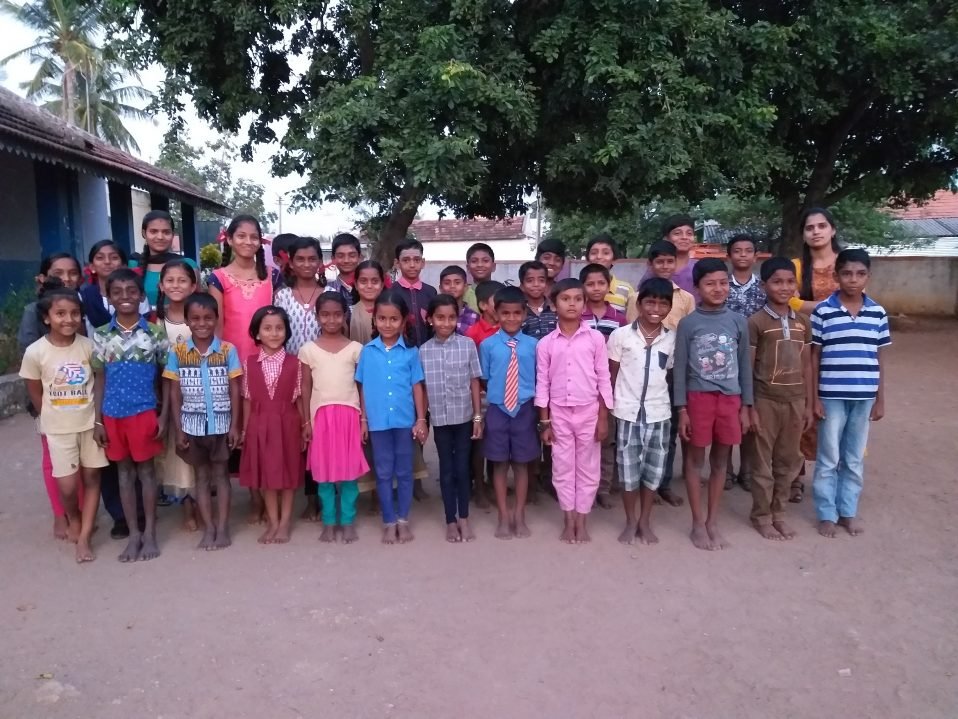
Observing the imminent need for academic aid for these children, we launched “Sahay Shiksha Centre” at Madapatna in July 2019.

HOW CAN YOU HELP

Contribute an amount of your choice

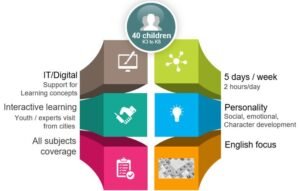
OSF aims to collect, Rs.1,88,000/- which is the estimated annual expenses to run this centre. What does the estimate include? Teachers’ salary, study materials and essentials like stationary. Per child, the expenses will be Rs.470 per month and it will cover assistance for all subjects, English capability building, personality dev activities. The program will run for 10 months in a academic year.

Your donation will serve to gift quality education from Madapatna Sahay Shiksha Centre!  Note that at OSF, none of the directors take remuneration.

Engage and Encourage

Plan a visit to the centre on one of the weekday evenings. Share with them your experiences, share thoughts on career roadmap for their future, teach a skill or game, lend some learning tips. Your presence will be invaluable.

Read more

Closure to School Closure Plans

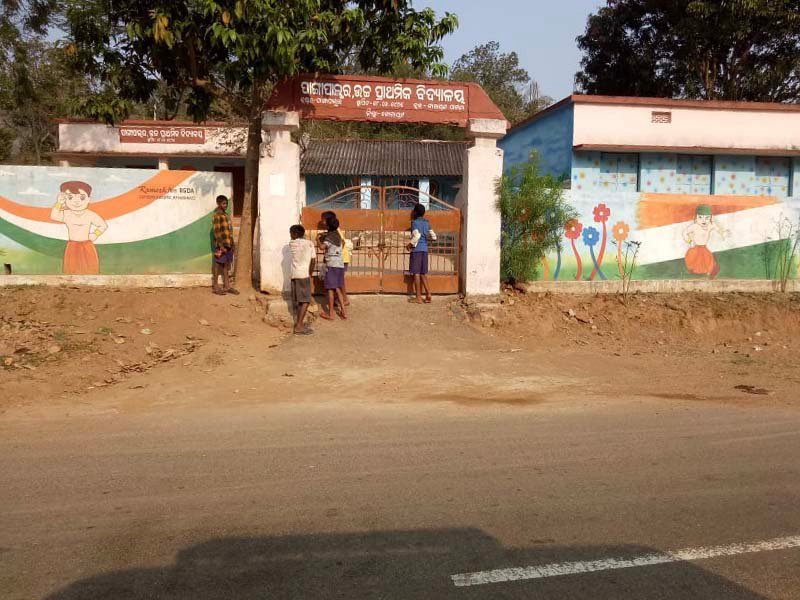
“This school has less than 20 kids now. There’s an order to shut the school as the number is well below thecut-off levelfixed by the Government. Can you do something? I see that you arranged for good School Kits through OSF in few other schools. If you can do a distribution here, maybe, we can encourage the kids as a last attempt to continue schooling.” These were the words of Mr.Niranjan Bagha of Narayanpatna education block.

Panabadi Village is a quiet community of 65 families, who are passionate farmers in the mountains. They practice slash and burn agriculture. The entire family including children participate. Parents therefore don’t see much value in schooling.

OSF arranged and distributed the School kits at a meeting iwhich was well attended by the village families. In the program, the necessity of education, regular attendance and completing education diligently was stressed by social worker, Mr.Ananta and the HM. The parents were apprised on the significance of sending children to school. Each child was presented a School kit. The school kits became a hit. “We saw an immediate change – the very next day onwards, more than 30 children started coming to school. I reported this to the Narayanpatna Block EO.” With 50% more than the benchmark level, this OSF initiative put a happy closure to the closure plans! The children still continue and the school is all alive.

Read more

Aiming High

Radhika Himeraka is from Bada Bankidi in Koraput District in Odisha. Her parents passed away in her childhood. At that time, she couldn’t get proper schooling and now she lives with her sister in the village. She was a daily wage laborer.

Radhika has successfully finished a tailoring training course which was organized in their village by Operation Sahay Foundation. “I am very thankful to OSF. Because I have no parents, I was uneducated and was unworthy to join the training but OSF provided the tailoring course in my village!”

Now she does part-time tailoring and gets about 3 customers a week from her village. She is able to stitch ladies’ dresses, blouses, kids wear and work on old clothes. It is an alternate source of income and Radhika could cut down on the hard work as a field laborer.

On her future plans — “I would like to start a tailoring centre, perhaps with some of my friends.”

Read more

Treat: Meant to cure​

Asu, a farmer from Pipalpadar village of Koraput District, aged about 45, was suffering from body pain and fever for two days. He came to know about OSF’s AMP (Aarogya Medical Point) centre. It is supervised by Sibana Mauka, a peer villager. AMP keeps a stock of normal OTC medicines like paracetamol, pain killers, ORS etc.

Given the remoteness, people tend to ignore symptoms and neglect their health. AMP presence was therefore initiated to encourage people to actively take help from the nearest PHC, Asha Worker or Hospital as well. The protocol to attend to the needs were provided by Asha Kiran Hospital and the norm is strictly followed.

Asu visited the centre on 10th June at 9:30 AM. Sibana, our volunteer, registered his name and details by asking his history in the patient register. He also checked his temperature by the contact-less thermometer which showed 100.5°F. So, he gave 2 paracetamol tablets and advised how to take it and to visit the AMP centre the next day. He was asked to use a mask at home, given the Covid threat.

The next day he visited the AMP centre and thanked volunteer Sibana. He said that, had he not got the medicine, he would have rested and slept at home for more days without doing his farm work. The other option would have been to go to Narayanpatna and spend a minimum of Rs. 100/-. “Now I am treated freely and very soon I will be back to my field — it means much to us.”

Read more

Well Settled

Rani Meleka lives in Tikarapada village in Koraput District. She couldn’t get proper education in her childhood. Husband is a tractor driver and they have young child. His job is farm dependent and so it’s a seasonal income for the family. Often, it’s a struggle to keep the family afloat.

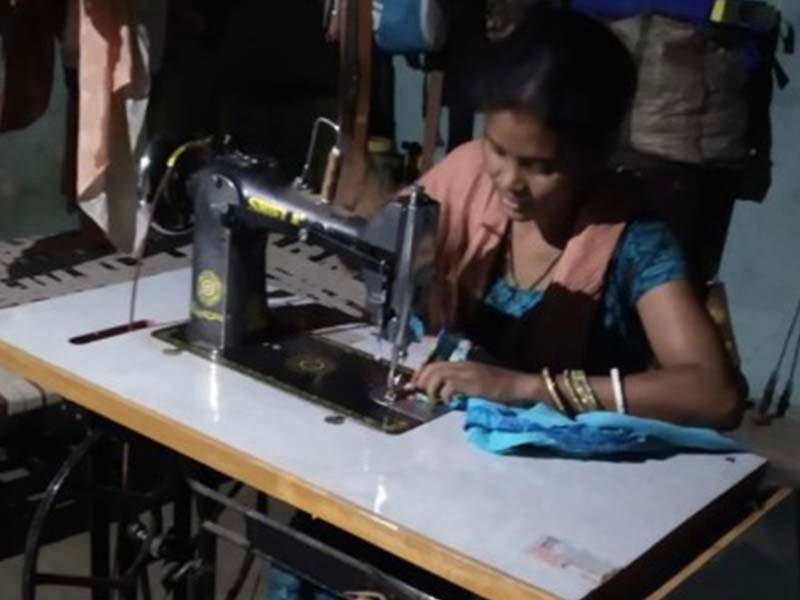
Operation Sahay Foundation opened a skill development centre near to their village. Rani joined the centre to learn stitching with an intent to have a consistent source of income. It was a little difficult to learn tailoring with her meagre educational background but coped up with the help of a perseverant teacher and hard work. Now she has successfully completed the course and earned a certificate. She and her family are happy as she bought a machine with some savings and is now stitching clothes.

Rani specializes in blouses and all ladies’ garments. She gets 5-6 customers a week from the villages near her. Now she is able to earn roughly Rs.1200 a week. This is a big boost to her family income. She says “I am grateful to OSF for providing the tailoring training near my village. It supported me financially and owing to this I am able to fulfill the needs of my family being able to stitch my own clothes and other’s clothes as well.

Read more

Learn off-line​

Muni Wadeka lives in Patamanda Village in Koraput District of Odisha. She is the daughter of Nistu and Tare Wadeka. They are small farmers in the hilly uplands in Narayanpatna area. Her mother tongue is Kuvi, which does not have a native script. Muni last attended school in February 2020 when she was in the 6th Standard. The school is situated 2km from her home and she walks to school. It was a long break as the schools remained closed and there was no provision for online classes. They do not have smartphones, tablets or laptops.

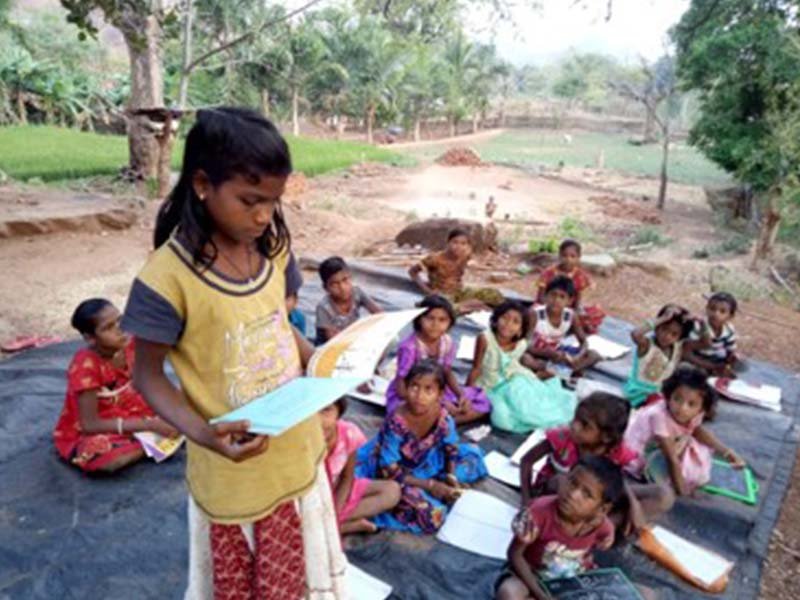
By the 7th month since the school closure, Operation Sahay Foundation started a learning program for the children of her village. She started attending regularly and says — “It was so good, that I could continue my learning at my village itself. My parents are so happy that I have this opportunity. We do reading, writing, practice mathematical tables, learn addition, division, multiplication, subtraction and also learn puzzles!” The learning centre works from 5PM to 7PM.

She is excited there are books now in the reading centre which runs as part of the learning program. Odiya, English and Hindi books are available for children on various subjects. She likes the story books and it’s the first time she has come across books with nice pictures. Muni had not seen story books earlier and never knew that such resources existed.

Now her daily routine is to do homework given at the learning center in the morning, then go out to help in the farm and do some house work. In the evening before the classes, she spends time with her friends and goes to the reading centre. Her family is glad that despite the difficulty and restrictions due to Covid, Muni is able to participate and benefit through the centre established by OSF.

Read more